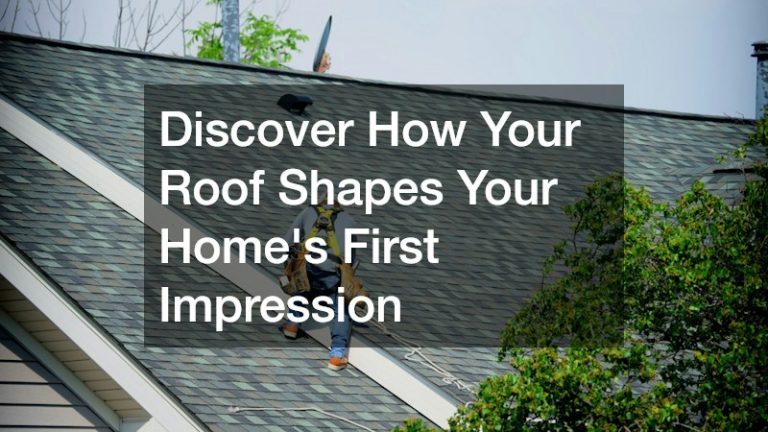
Your home’s exterior tells a story before visitors ever step through the front door. From the landscaping and siding to the entryway and windows, every detail contributes to the property’s overall appearance. One of the most influential features, however, is the roof. Whether you’re preparing to sell, updating an older property, or simply taking pride in your surroundings, understanding how your roof affects curb appeal can help you make informed decisions about exterior improvements.
The Roof’s Role in Overall Curb Appeal
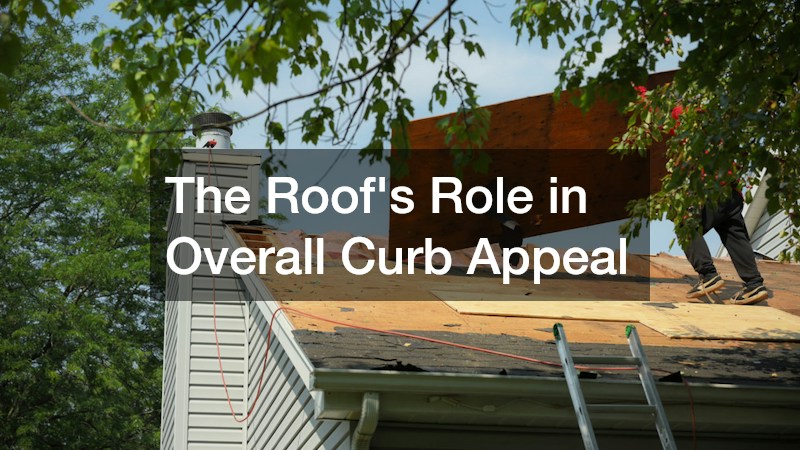
The roof occupies a significant portion of many homes’ visible exterior surfaces, making it an important part of the property’s visual identity. Even when homeowners focus primarily on landscaping, paint colors, or decorative features, an aging or mismatched roof can draw attention away from those improvements. Conversely, a well-maintained roof can help create a polished appearance that makes the entire property feel cared for.
Color is one of the first things people notice. Dark gray and black roofing materials often provide a classic contrast against white, beige, or light-colored siding, while brown and earth-toned options may complement brick, stone, and warmer exterior palettes. Lighter roof colors can also create an attractive combination with certain architectural styles. The best choice depends on the home’s existing features, the surrounding neighborhood, and the visual effect you want to achieve.
Shape matters, too. Gable roofs, hip roofs, and more complex rooflines contribute different proportions and visual character. A roof with multiple slopes, dormers, or distinctive architectural details can add depth and interest, while a simpler design may reinforce a clean, contemporary appearance. The goal is to create a balanced exterior rather than make the roof compete with every other feature.
Homeowners exploring upgrades can compare options from reputable roofing companies to understand which materials, colors, and design details suit their properties. A professional evaluation can help identify opportunities to improve the roof’s appearance while accounting for durability, weather exposure, and budget. Considering the roof as part of the entire exterior design helps ensure that improvements look intentional rather than disconnected.
Keep the Roof Looking Clean and Well Maintained
A roof does not need to be brand-new to support strong curb appeal. Consistent maintenance can help preserve its appearance and reveal problems before they become more serious. Missing shingles, uneven sections, damaged flashing, and visible deterioration can make a home appear neglected even when the rest of the property is in excellent condition.
Organic growth and accumulated debris can also affect the roof’s appearance. Depending on the material and local environment, moss, algae, leaves, and branches may collect on the surface. Some growth can retain moisture or contribute to material deterioration, so it is important to understand the cause rather than treat every discoloration as a cosmetic issue. Cleaning methods should be appropriate for the specific roofing material to avoid damaging shingles, tiles, or protective finishes.
Homeowners should also pay attention to the roof’s edges and drainage system. Gutters overflowing with leaves, loose downspouts, and water stains near the eaves can detract from the exterior’s appearance. Properly functioning drainage helps direct water away from vulnerable areas and supports the overall condition of the roof and surrounding structure.
When localized problems appear, local roof repair may help restore the roof’s condition without requiring a complete replacement. A qualified professional can assess whether the issue involves a small damaged area, flashing, a roof penetration, or a more widespread concern. Addressing defects promptly can help preserve both the roof’s function and the home’s visual appeal.
Choose Roofing Materials That Complement Your Home
Roofing materials influence far more than a home’s ability to withstand the weather. They also affect texture, color, visual weight, and architectural character. Choosing materials that complement the home’s style can make the exterior feel cohesive, while an unsuitable combination may create a distracting contrast.
Asphalt shingles remain a common residential option because they are available in many colors and styles. Architectural shingles can provide a dimensional appearance that adds depth to the roofline. Metal roofing offers a different aesthetic, ranging from traditional standing-seam profiles to styles designed to resemble other materials. Tile and slate can create distinctive character, although their weight, installation requirements, and cost need careful consideration.
Each material has different maintenance requirements, expected service life, and performance characteristics. Climate is particularly important. Homeowners should consider local temperature fluctuations, rainfall, snow, wind exposure, and other environmental conditions when comparing products. The appearance of a sample may be appealing, but its suitability for the property matters just as much.
When the roof has reached the end of its useful life or has widespread deterioration, roof replacement may offer an opportunity to rethink the home’s exterior design. Rather than automatically selecting the same color and style, compare options alongside the siding, trim, brickwork, shutters, and landscaping. Viewing material samples outdoors in different lighting conditions can help reveal how the colors interact throughout the day.
Consider Roof Condition When Planning Exterior Improvements
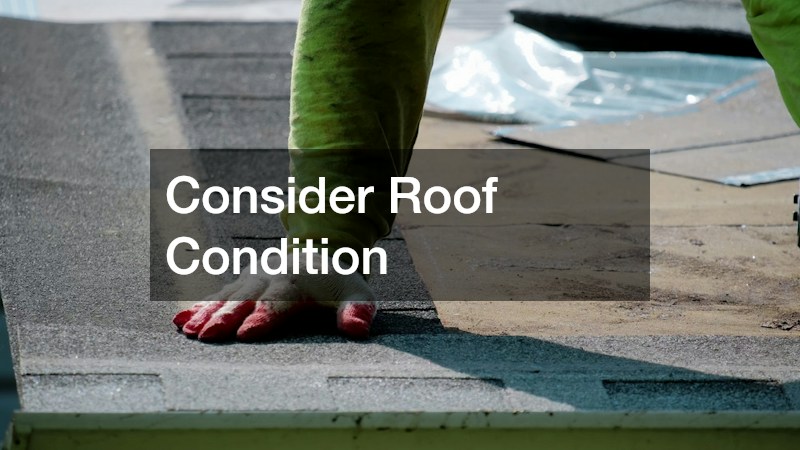
Many homeowners approach curb appeal by updating one exterior feature at a time. They might repaint the front door, refresh landscaping, replace exterior lighting, or install new siding. These changes can make a noticeable difference, but planning them alongside the roof can help prevent mismatched finishes and repeated expenses.
For example, choosing a new siding color before evaluating an aging roof may limit your options later. If the roof needs replacement soon, selecting both materials together gives you more freedom to create a coordinated palette. The same principle applies when updating shutters, gutters, trim, or exterior stonework. Coordinating these elements can create a more consistent visual effect.
Professional assessments can also help homeowners distinguish cosmetic concerns from conditions that require attention. Some roofs may look weathered because of surface discoloration, while others may have underlying damage that is not obvious from the ground. Understanding the difference helps establish priorities and prevents purely cosmetic improvements from overshadowing necessary maintenance.
Depending on the property and local requirements, documentation from a qualified professional may be relevant when planning major work or preparing for a property transaction. If a project requires a roof inspection certification, homeowners should clarify the specific standards, qualifications, and documentation accepted by the relevant authority, insurer, or other requesting party. Inspection reports and certifications are not interchangeable in every situation, so the exact requirement should be confirmed in advance.
Address Storm Damage Before It Affects Appearance
Severe weather can change the appearance of a roof quickly. Strong winds may lift or remove shingles, hail can leave impact marks, and falling branches may damage roofing materials or gutters. Even when damage is not immediately visible from the street, it can affect the roof’s ability to protect the home. After a significant storm, a careful professional assessment can help determine whether repairs are needed.
Visible warning signs may include missing shingles, loose flashing, dented metal components, displaced ridge caps, damaged gutters, or debris lodged on the roof. Water stains inside the home may indicate a leak, although the source can be difficult to identify without an inspection. Homeowners should avoid climbing onto a roof to investigate, especially when surfaces may be wet, unstable, or otherwise unsafe.
Prompt storm damage repair can help restore damaged areas and limit the risk of additional deterioration. Depending on the extent of the problem, the work may involve replacing shingles, repairing flashing, securing affected components, or addressing related damage. A professional can also explain whether the roof’s overall condition warrants broader repairs instead of isolated fixes.
It’s helpful to document visible damage from a safe location and retain relevant maintenance records. If you plan to contact your insurance provider, ask about its documentation requirements and claim process. Coverage depends on the policy, the cause of the damage, and the circumstances involved, so homeowners should avoid assuming that every weather-related problem will be covered.
Coordinate the Roof With Your Home’s Siding
The roof and siding form two of the largest visual surfaces on a home, so their colors and textures should work together. A dark roof may provide a crisp contrast against pale siding, while a warm-toned roof can complement cream, tan, or earthy exterior finishes. Homes with brick or stone elements may benefit from roof colors that pick up subtle tones already present in those materials.
Texture is another consideration. Highly dimensional shingles paired with heavily patterned siding may make an exterior feel visually busy, while simpler combinations can create a more balanced appearance. This does not mean every material needs to be understated. Instead, consider which feature should draw the most attention and choose supporting finishes that reinforce the intended style.
Homeowners planning a complete exterior refresh may want to consult local siding contractors when evaluating how new siding will coordinate with the existing roof. Professionals can discuss material options, installation requirements, and details around windows, corners, and roof edges. If both surfaces need work, coordinating the projects may also help with scheduling and design consistency.
Pay attention to trim, fascia, soffits, and gutters as well. These details connect the roof and siding visually, and their colors can either create a defined outline or blend into the surrounding materials. Repeating one or two accent colors across the exterior often helps the home feel more unified without making every feature identical.
Use Exterior Details to Strengthen Architectural Character
A roof can emphasize the architectural style of a home, but the surrounding details help complete the effect. Window trim, shutters, porch columns, gutters, fascia, and exterior lighting all contribute to the property’s visual balance. When these features share compatible colors and proportions, the home can look thoughtfully designed even when the overall style is simple.
Traditional homes may benefit from classic color combinations, defined trim, and materials that complement brick or clapboard siding. Contemporary properties often look cohesive with restrained palettes, clean lines, and minimal ornamentation. The key is to work with the home’s existing architecture instead of adding details that feel unrelated to its structure.
Exterior updates should also account for maintenance. Ornate trim and complex rooflines may create visual interest, but they can introduce additional areas that require inspection and care. Simple, durable details may be more practical for homeowners who want an attractive exterior without a demanding maintenance routine.
When updating siding or trim, siding companies can help explain how different products and finishes work with the roofline. Ask about durability, moisture management, installation details, and the maintenance requirements of each option. The goal is to select features that improve the appearance of the property while supporting the performance of the building envelope.
Small improvements can make a substantial difference when they are chosen carefully. Coordinated gutters, a well-maintained porch, suitable outdoor lighting, and clean exterior trim can draw attention to the home’s strongest features. Rather than adding many decorative elements, focus on details that reinforce the architecture and help the roof feel like a natural part of the overall design.
Improve Curb Appeal With Consistent Professional Care
Homeowners often notice roofing concerns when a problem becomes visible from the street, but regular professional attention can help identify issues earlier. Periodic evaluations may reveal damaged shingles, worn flashing, ventilation concerns, or signs of moisture intrusion before these conditions become more disruptive. The appropriate frequency depends on the roof’s age, material, climate, and exposure to severe weather.
Qualified roofers can evaluate the roof’s condition and explain which concerns require immediate attention and which can be monitored. Ask for a clear explanation of any recommended work, including the location of the problem, the proposed repair, and the potential consequences of delaying it. Photographs can be useful when they help clarify areas that are difficult to see from the ground.
Professional guidance is especially valuable when deciding whether a roof needs repairs or replacement. A few isolated defects may be addressed without disturbing the entire surface, while widespread deterioration or recurring leaks may indicate a larger problem. The decision should be based on the roof’s actual condition, not simply its age or appearance.
Maintaining records of inspections, repairs, and material information can make future decisions easier. These documents help establish a history of care and provide useful context when discussing new concerns with a service provider. Consistent professional attention from a local roofer supports both the roof’s performance and the property’s appearance over time.
By evaluating materials, addressing damage, coordinating exterior finishes, and working with qualified professionals, homeowners can make confident decisions about their roofs. Thoughtful improvements help protect the home while enhancing the visual character that visitors and neighbors notice first.
About the Author