Beneath every lawn, patio, and foundation lies a hidden network of pipes, drainage paths, and irrigation lines that quietly determine whether your property stays dry, healthy, and stable. Most homeowners never think about this underground world until water starts pooling where it shouldn’t, a sprinkler zone stops working, or a foundation begins to crack. Understanding how these systems interact can help you catch small problems before they become expensive repairs. This guide breaks down the essentials so you can make informed decisions about your yard, your home, and everything that runs beneath it.
Grading and Slope Around Your Foundation
The ground immediately surrounding your house should slope away from the foundation, not toward it. Most experts recommend a drop of at least 6 inches over the first 10 feet from your exterior walls, giving water a clear path away from your home rather than a place to collect. When soil settles unevenly over time, water can start pooling near the base of exterior walls, leading to moisture intrusion, mold, and even structural damage.
This is one of the most overlooked issues in home construction, since builders grade a lot correctly at first, but years of erosion, freeze-thaw cycles, and landscaping changes can reverse that slope. Adding garden beds, mulch, or new sod without accounting for existing grade is a common culprit, as is soil compaction near downspouts where water repeatedly hits the ground. Even a few inches of reversed slope can be enough to redirect water straight into a basement or crawl space.
A simple visual check after heavy rain can tell you a lot about how well your yard is managing water. Walk the perimeter of your house and look for standing water, dark soil staining on siding, or water sheeting back toward the foundation instead of away from it. If you spot problem areas, regrading with extra topsoil, installing a swale, or adding a French drain are all practical fixes worth discussing with a landscaper or foundation specialist, and thoughtful hardscape design around patios, walkways, and retaining walls can reinforce proper drainage rather than working against it.
- Walk your property during or right after a storm and note any standing water within ten feet of the foundation, especially puddles that linger more than a few hours
- Aim for a slope that drops about 6 inches over the first 10 feet away from the house (roughly a 5% grade) to keep water moving away naturally
- Check that downspouts extend at least three to five feet away from the house, using splash blocks or flexible extensions if grading alone doesn’t carry water far enough
- Look for gaps or low spots where mulch or soil has washed away, particularly along walkways, patios, or anywhere the ground meets concrete
- Watch for soil that has settled or sunk near the foundation over time, since this can quietly reverse a slope from years of erosion or compaction
- Consider regrading if water consistently pools near crawl space vents or basement windows, since these entry points are especially vulnerable to seepage
- If regrading isn’t practical, look into a swale, French drain, or dry creek bed to redirect water around problem areas
French Drains and Underground Piping Systems
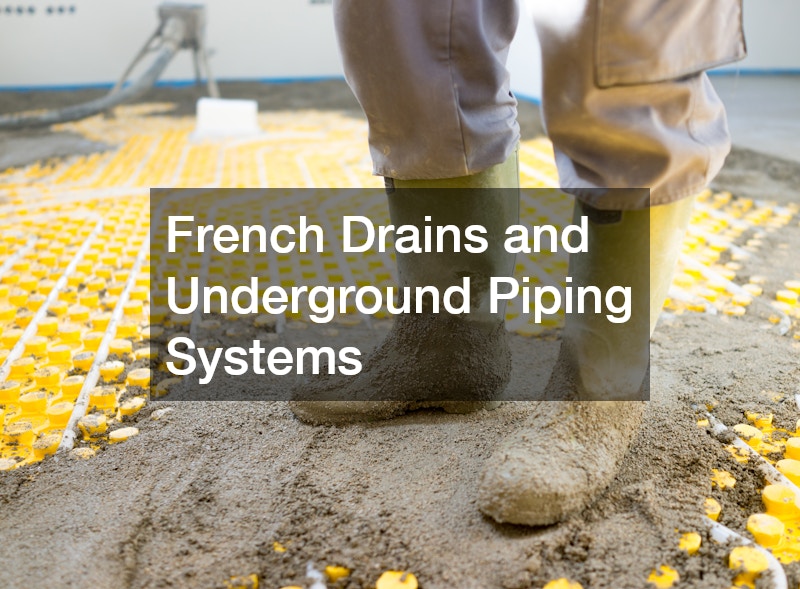
When surface grading alone can’t handle excess water, a French drain or underground piping system often becomes the next line of defense. These systems use a perforated pipe surrounded by gravel to intercept groundwater and redirect it away from vulnerable areas like basements, patios, or garden beds. They’re especially useful in yards with heavy clay soil, which drains poorly and holds moisture close to the surface for days after rainfall. A properly installed drain can make the difference between a dry basement and a recurring flooding problem.
- French drains typically run along the perimeter of a foundation or across a low-lying yard
- Pipe should be wrapped in fabric to prevent clogging from sediment
- Outlets need a clear discharge point, such as a storm drain or daylight exit downhill
- Systems should be inspected every few years for root intrusion or collapsed sections
Sump Pumps and Basement Water Management
For homes with basements or crawl spaces below the water table, a sump pump is often the last safeguard against flooding. These pumps sit in a basin at the lowest point of the foundation and activate automatically when water rises past a certain level. Battery backup systems are worth the investment, since power outages frequently coincide with the heavy storms that cause flooding in the first place. Testing your pump twice a year, ideally in spring and fall, ensures it’s ready when you actually need it.
- Pour a bucket of water into the sump basin to confirm the pump activates and drains properly
- Clean the intake screen to prevent debris from jamming the motor
- Check that the discharge pipe outside the home isn’t blocked or frozen
- Replace pumps older than seven to ten years even if they still seem to work
Sprinkler Zones and Irrigation Line Placement
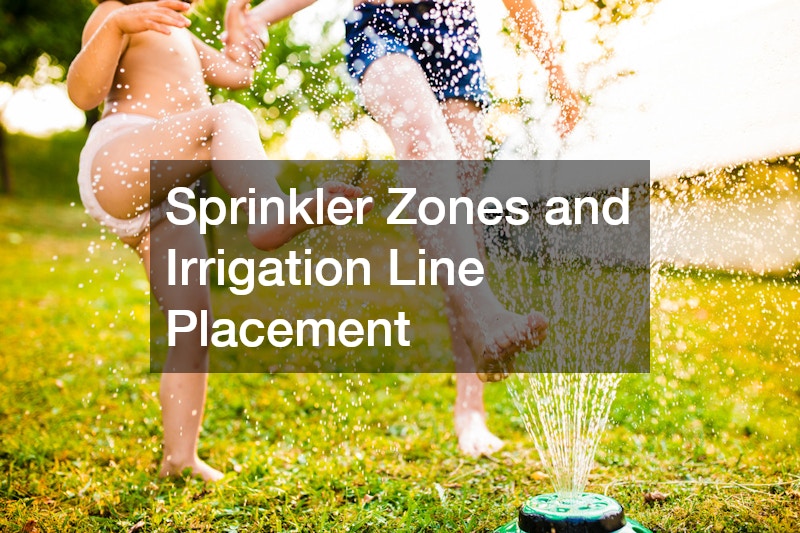
A well-designed irrigation system depends on more than just placing sprinkler heads around the yard. Zones need to be mapped based on sun exposure, plant type, and soil composition, since a garden bed and a stretch of lawn have very different watering needs. Professional sprinkler services can map out zone layouts that reduce water waste and prevent overwatering, which is a common cause of soggy patches and fungal growth in turf. Buried irrigation lines also need to sit below the frost line in colder climates to avoid winter cracking.
- Group plants with similar water needs into the same irrigation zone
- Check for uneven spray patterns that leave dry spots or overly saturated areas
- Schedule seasonal start-up and shutdown service to protect pipes from freeze damage
- Inspect valve boxes annually for cracked fittings or waterlogged wiring
Backflow Prevention and Water Supply Safety
Anytime an irrigation system connects to your home’s water supply, there’s a risk of contaminated water flowing backward into the drinking supply. Backflow preventers are designed to stop this from happening, and many municipalities require annual testing to confirm the device is functioning correctly. Skipping this test isn’t just a code violation in many areas, it’s also a genuine health risk if fertilizer or pesticide residue makes its way into your tap water. A quick annual inspection is a small task that protects your entire household.
- Confirm your backflow preventer is installed above ground and accessible for testing
- Keep documentation of annual inspections in case your municipality requests proof
- Watch for water discoloration or unusual taste, which can signal a failing valve
- Replace worn rubber seals promptly, since they’re a common failure point
Pool Plumbing and Underground Water Circulation
If your property includes a pool, there’s an entirely separate underground network of pipes handling circulation, filtration, and drainage. Local pool installers typically bury these lines below frost depth and route them to a dedicated equipment pad, where pumps and filters keep water moving and clean. Leaks in this buried plumbing can be tricky to spot since water may simply seep into surrounding soil rather than surface visibly. A sudden rise in your water bill or a pool that keeps losing water despite normal evaporation rates is often the first clue something underground needs attention.
- Monitor water levels weekly using consistent measurement points, like a marked skimmer line
- Watch for soft, spongy, or unusually green patches of grass near buried pool lines
- Schedule a pressure test if you suspect a leak in the circulation system
- Keep equipment pad access clear for easier diagnostics and repairs
Pool Deck Surfaces and Surrounding Drainage
The surface around a pool does more than provide a place to sit, it also plays a major role in directing water away from the pool structure and nearby foundations. Over time, concrete decks can crack, settle unevenly, or develop pitting that traps standing water and creates slip hazards. Concrete pool deck resurfacing services can restore a worn surface while also correcting minor drainage issues, since proper resurfacing accounts for slope and runoff direction. Custom pool contractors often coordinate this work alongside grading and drain placement to make sure water consistently moves away from the pool shell rather than pooling near the edges.
- Look for cracks that widen after freeze-thaw cycles, which signal deeper structural issues
- Check that deck drains aren’t clogged with leaves, dirt, or old sealant
- Confirm the deck still slopes slightly away from the pool coping
- Address pooling water on the deck before it undermines the base beneath the surface
Deck and Patio Structures Built Above Utility Lines

Homeowners planning an outdoor living space often forget that decks and patios sit directly above buried utility and drainage lines. Before any new structure goes in, a qualified deck contractor should confirm the location of irrigation pipes, drain lines, and utility conduits to avoid damaging them during post installation. This is especially important for a raised deck builder working on elevated structures, since footings need to be dug deep enough for stability without cutting into existing underground systems. Skipping this step can lead to costly repairs later, including tearing out sections of decking to access a damaged line.
- Call for a utility locate service before any digging begins
- Ask your contractor to review existing site plans or irrigation maps
- Choose footing placement that avoids known drain and sprinkler routes
- Keep a record of utility locations for future maintenance or landscaping work
Exterior Renovations That Affect Underground Water Flow
Bigger renovation projects, like siding replacements or flooring services involving exterior transitions, can unexpectedly change how water moves around your property. Removing old siding often reveals hidden moisture damage caused by years of poor drainage against the wall, giving you a chance to fix the underlying issue before new material goes up. Look for telltale signs like dark staining, soft or crumbling sheathing, and mold along the bottom few feet of the wall — these usually point to splash-back from a downspout or a grade that slopes toward the house instead of away from it.
While the wall is open, it’s worth checking that your foundation maintains at least a 6-inch drop in grade over the first 10 feet from the house, which is the general standard for keeping water moving away from your structure. This is also a good time to confirm that flashing and weep holes are installed correctly, since these details do far more to prevent moisture intrusion than the siding material itself.
Similarly, replacing outdoor flooring near entryways or patios is a good opportunity to reassess slope and drainage before finishing the surface. Pavers, concrete, and composite decking all need a slight pitch — typically around a quarter-inch per foot — to keep water from pooling against thresholds or seeping under the new surface. If the old flooring was installed flat or sloped the wrong way, a renovation is the cheapest time to correct it, since ripping everything out again later means paying for the same labor twice.
Addressing these details during a renovation is far cheaper than fixing water damage after the fact. A few hundred dollars spent on regrading or adding a drain during construction can save thousands in future repairs to rotted framing, cracked foundations, or ruined interior flooring.
- Inspect sheathing and framing for rot, discoloration, or a spongy feel before installing new exterior materials — these are signs water has been infiltrating longer than you think
- Add or repair flashing wherever siding meets a roofline, deck, or window, since these transitions are the most common entry points for water to reach underground framing and soil
- Reconfirm drainage slope before pouring or laying new exterior flooring; aim for at least a 2% grade (about 1/4 inch per foot) sloping away from the foundation
- Check that downspouts and gutter extensions still discharge water at least 4-6 feet from the foundation after any regrading or landscaping work
- Document any moisture issues found during renovation — including photos, locations, and moisture meter readings — for future reference and potential warranty or resale disclosures
Your home’s underground systems may be invisible day to day, but they have an outsized influence on your property’s long-term health, from foundation stability to a working irrigation system and everything in between. Taking a little time each season to inspect grading, drainage, sprinklers, and pool plumbing can help you catch small issues while they’re still simple to fix. When a project calls for expertise beyond a DIY inspection, bringing in the right specialist for that specific system will save you time and prevent bigger headaches down the road. Start with a walk around your property this week, and use what you’ve learned here to spot the early warning signs before they become costly problems.
About the Author