As the winter months approach, the importance of maintaining HVAC systems becomes increasingly critical. Regular heating services can prevent unexpected breakdowns and ensure a comfortable home environment during the coldest days of the year. This article delves into various aspects of HVAC preparations, focusing on heating systems, furnace installations, the role of a heating contractor, and more.
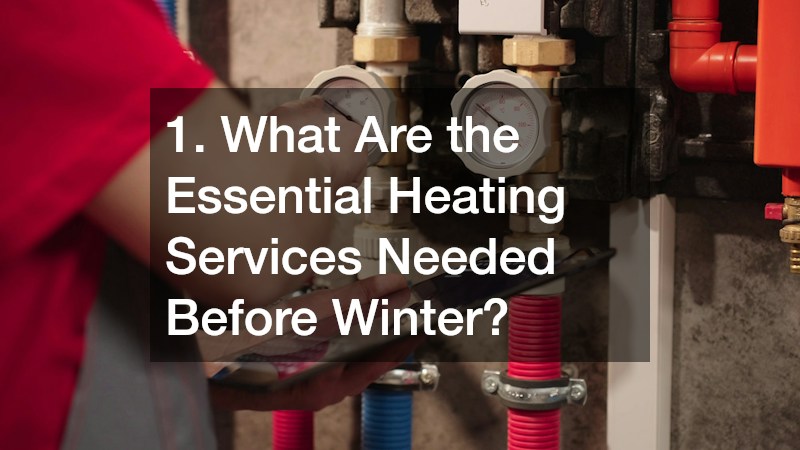
1. What Are the Essential Heating Services Needed Before Winter?
Regular Maintenance and Checkups
Regular maintenance of heating systems is essential to prolong the lifespan of the equipment. Tasks such as cleaning filters, inspecting ducts, and checking for leaks are fundamental to ensuring efficiency. Neglecting these components can lead to higher utility bills and potential system failures.
Heating services focused on pre-winter checkups can identify problems early. Addressing issues like worn-out parts or inadequate insulation can be critical in maintaining consistent heating. A professional heating contractor can perform these evaluations effectively.
Emergency Repair Services
Despite regular maintenance, emergencies can still occur, and having an emergency heating service on standby is advisable. Being prepared for unexpected system failures ensures minimal interruption. A reliable service provider can quickly address emergencies like sudden furnace shutdowns.
Understanding what emergency services include, such as after-hours support, can be crucial. Not all heating contractors offer 24/7 availability, so selecting the right contractor is important for peace of mind. Immediate repair services prevent prolonged discomfort during severe cold weather.
2. How Are Furnace Installations Handled in Colder Months?
Importance of Timely Installation
Furnace installations executed before the peak of winter can significantly enhance home comfort. Early installations allow homeowners to test and adjust their systems ahead of harsher climates. Proactively scheduling installations reduces the risk of encountering a rush period where contractors are less available.
A timely installation means any potential installation issues can be addressed without the pressure of immediate necessity. It allows for a more thorough verification of the system’s efficiency. Moreover, planning installations in advance can sometimes come with cost benefits or incentives.
Steps to a Successful Furnace Installation
A successful furnace installation involves several critical steps, starting with a comprehensive assessment of the home’s heating needs. Proper sizing of the furnace is vital to ensure energy efficiency and effective heating. After selecting the appropriate model, installation should follow manufacturer guidelines to prevent any operational issues.
A professional heating contractor ensures all safety protocols and local building codes are met during installation. This includes securing permits and conducting final inspections to verify the system’s performance. Adequate post-installation testing ensures the system operates at optimal levels from the outset.
3. How to Select a Reliable Heating Contractor?
Certifications and Experience
The journey to finding a reliable heating contractor begins with evaluating their certifications and experience. Certifications from recognized industry bodies demonstrate a contractor’s proficiency and adherence to industry standards. An experienced contractor is likely to have handled a wide array of projects, which adds to their competence and reliability.
Checking credentials like licensing and insurance offers peace of mind that the contractor is legitimate and prepared for any contingencies. A knowledgeable contractor can provide insights into current HVAC technologies and offer solutions tailored to specific needs. Their expertise is often a critical factor in making the right choice for any HVAC project.
Reviews and Recommendations
Customer reviews and recommendations provide valuable insights into a heating contractor’s work ethic and reliability. Online platforms often offer unfiltered feedback from previous clients, which can help spot patterns in the contractor’s performance. Positive reviews often correlate with quality and customer satisfaction.
Personal recommendations from friends or family members can also be extremely valuable when choosing a contractor. These first-hand accounts typically offer a reliable measure of what to expect. Engaging with multiple testimonials provides a balanced view, helping streamline the decision-making process.
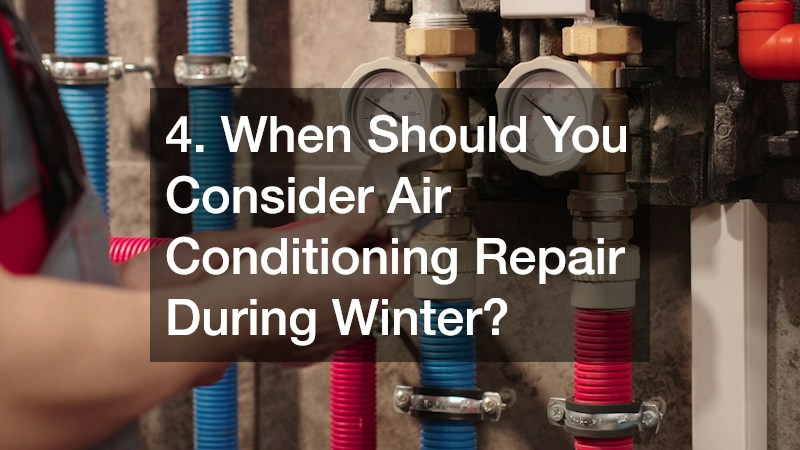
4. When Should You Consider Air Conditioning Repair During Winter?
Off-Season Repair Benefits
Repairing your AC system during the winter months can offer several advantages. It’s often less busy for technicians, potentially leading to quicker service times and more attention to detail. Additionally, some service providers offer off-season discounts, making air conditioning repair more cost-effective.
Addressing AC issues in the winter ensures that your system is ready and reliable when warmer weather returns. It allows for ample time to source any necessary parts and complete repairs without the urgency that comes during peak summer months. This can prevent future breakdowns and ensure the efficiency and longevity of your AC system.
Common Winter AC Issues
Even if the AC isn’t running, certain issues can arise during the winter months. Problems such as refrigerant leaks or electrical malfunctions might go unnoticed if not regularly checked. For homes using heat pumps, inefficiencies can affect heating performance and should be addressed promptly.
Winter is a good time to inspect and repair components like the compressor, fans, and coils. Regular AC service ensures these components are operational and equipped for any off-season demands. Addressing these common issues can prevent further damage and costly repairs down the line.
5. What Are the Common Signs You Need Furnace Repair?
Unusual Noises
Unusual noises such as banging, whistling, or rattling can indicate underlying issues in the furnace system. These sounds often suggest problems like loose components, clogged burners, or failing motors. Ignoring these noises can lead to more serious damage requiring expensive furnace repair.
It’s essential to contact a professional heating contractor when such noises are first detected. Quick intervention can prevent further deterioration and ensure the heating system remains functional and efficient. Professional diagnosis helps address root causes rather than temporary fixes.
Inefficient Heating
Inefficient heating is another clear sign that your furnace may require attention. A furnace struggling to maintain set temperatures could indicate issues such as poor insulation, faulty thermostats, or impeded airflow. This inefficiency often results in higher energy bills and uneven heat distribution throughout the home.
Regular monitoring and maintenance can help catch these inefficiencies early. Engaging with heating services for periodic checks ensures any interruptions in heating performance are promptly addressed. An expert can assess and rectify these inefficiencies through comprehensive diagnostics and repairs.
6. How Often Should AC Services Be Scheduled?
Seasonal Maintenance Schedules
Regular AC service is a recommended practice to maintain optimal performance and extend the lifespan of the air conditioning system. Spring is traditionally the best time to schedule maintenance to ensure the system is ready for peak summer demand. Consistent seasonal checkups can prevent an accumulation of issues and promote efficiency.
A well-maintained system reduces the likelihood of unexpected breakdowns and enhances indoor air quality. Scheduling routine services ensures all components, including filters and drains, are clean and functioning as intended. These services can also identify necessary repairs before they develop into more significant problems.
Factors Affecting Service Frequency
Several factors can influence how often AC services should be scheduled, including system age and usage patterns. An older unit may require more frequent attention due to wear and accumulated problems. Homes in harsh climates or those with extensive use may also benefit from more regular maintenance.
Consulting with a qualified heating contractor can provide personalized recommendations based on these factors. Regular assessments ensure components continue to operate at their best and contribute to the unit’s efficiency. Tailoring the service frequency to the system’s specific needs can enhance longevity and performance.

7. What Are Mini Split Systems and Are They Ideal for Winter?
Advantages of Mini Splits
Mini split systems offer several benefits that make them suitable for winter use. They provide efficient heating and cooling options for homes without the need for extensive ductwork. Their zoned heating capability allows for targeted comfort, ensuring energy consumption is minimized.
These systems are known for their efficiency and flexibility, adapting to the specific heating needs of different areas within a home. Mini splits also contribute to improved air quality by reducing allergens and maintaining consistent humidity levels. They are an increasingly popular choice for homeowners seeking both functionality and energy savings.
Installation Considerations
When installing a mini split, several critical considerations should be taken into account. Proper placement is pivotal for maximizing efficiency and comfort, necessitating a thorough review of the space by a professional. The complexity of installation means engaging a qualified heating contractor is crucial to ensure everything is set up correctly.
Additional considerations include ensuring adequate power supply and selecting the correct system size. Oversized or undersized units can lead to inefficiencies and increased costs. A carefully planned installation can maximize the potential of mini splits in providing optimal home heating services.
8. How to Ensure Efficient Home Heating Services?
Comparing Heating Solutions
To ensure efficient home heating, it’s vital to compare various solutions available in the market. Options like central heating, heat pumps, and mini splits offer distinct advantages and should be weighed against specific needs and preferences. Understanding each system’s energy consumption and efficiency ratings is crucial for informed decision-making.
Researching these systems’ operational costs and features can lead to significant energy savings over time. A professional assessment can help identify which solution best aligns with the home’s heating requirements. Informed choices regarding heating services can significantly impact comfort and cost-effectiveness.
Regular System Audits
Conducting regular system audits is an essential component of maintaining efficient heating systems. These audits involve evaluating system performance and identifying potential improvement areas. A professional heating contractor can conduct these evaluations, providing insights into efficiency and necessary upgrades.
Regular audits can also help in detecting wear and tear or other issues that may compromise the system’s efficiency. System audits are a proactive approach to preventing costly repairs and ensuring continuous, unimpeded heating services. Engaging in these practices contributes to effective and satisfactory home heating.
9. What Role Do Air Duct Cleaning Services Play in Heating Efficiency?
Improving Air Quality
Air duct cleaning services play a pivotal role in enhancing indoor air quality. Dust, debris, and allergens can accumulate within ducts, reducing air quality and triggering health concerns. Cleaning these ducts helps in minimizing these impurities, leading to a healthier living environment for occupants.
Reducing Energy Costs
Clean air ducts are integral to maintaining low energy costs as they allow air to flow more freely. When ducts are clogged, HVAC systems are forced to work harder, consuming more energy and increasing utility bills. Regular air duct cleaning mitigates this issue, enhancing efficiency and reducing operational costs.

10. How to Identify the Need for Local Duct Cleaning?
Signs Your Ducts Need Cleaning
Certain signs suggest that ducts may require cleaning, such as increased dust levels around the home or inexplicable spikes in energy bills. Unpleasant odors or visible mold growth near vents can also indicate the need for professional duct cleaning services. Identifying these signs early can inform timely interventions, maintaining efficiency and comfort.
Regularly monitoring vent outputs and noting any significant changes in air quality is a proactive approach. Prompt response is crucial to avoid escalating issues that might affect health and system performance. Diligently observing these indicators ensures that maintenance is timely and effective, keeping air ducts functioning optimally.
Benefits of Hiring Local Experts
Hiring local duct cleaning professionals assures accessibility and prompt service. Local experts are typically more familiar with common regional HVAC issues and can tailor their services accordingly. This local expertise often leads to more effective and efficient cleaning processes.
11. Can Upgrading Your HVAC System Save Costs in the Long Run?
Assessing Technological Advances
The HVAC industry continually evolves, introducing advancements that enhance system efficiency and performance. Upgrading to modern systems with smart technologies and improved energy ratings can lead to substantial savings. Innovations like programmable thermostats and advanced sensors optimize operation and reduce energy usage.
Cost-Benefit Analysis
Performing a cost-benefit analysis is crucial before committing to an HVAC system upgrade. This involves evaluating upfront costs against potential long-term savings and efficiency gains. Calculating potential reductions in energy bills and repair costs provides clarity on the investments’ financial viability.
Conclusion
Proactive winter HVAC maintenance is crucial for ensuring home comfort, safety, and efficiency. From strategic furnace installations to selecting reliable heating contractors, each step plays a significant role in preparing for colder months. Fire safety inspections, duct cleaning, and considering system upgrades stand as vital components of holistic HVAC care.
Adopting the latest trends in HVAC, such as smart systems and eco-friendly solutions, further enhances performance. By implementing comprehensive maintenance and early preparations, homeowners can mitigate the risk of emergencies, financial strain, and discomfort. Prioritizing these initiatives ensures optimal heating services throughout the winter season.
About the Author