A burst water pipe flooding the basement in the dead of mid-January, a central air conditioner failing during an August heatwave, or an electrical panel breaker tripping repeatedly during a winter storm rarely happen at convenient times. These stressful household emergencies interrupt daily life, risk structural property damage, and often result in premium middle-of-the-night emergency repair invoices.
Many homeowners treat plumbing, heating, cooling, and electrical wiring as completely separate, independent systems. In reality, your home operates as a unified, interdependent ecosystem. A clogged air conditioning condensate drain line can back up and leak water through ceiling drywall, dripping directly onto electrical wiring or light fixtures below. An overstressed, fluctuating electrical grid can damage sensitive control boards inside expensive heat pumps or water heaters.
Adopting a proactive, seasonal maintenance mindset shifts you from reactive panic to confident home management. By systematically inspecting, cleaning, and tuning your home’s core mechanical networks at key transitional points throughout the year, you protect your budget, reduce monthly utility bills, and extend the operational lifespan of your property’s infrastructure. This comprehensive guide walks you through essential quarterly tasks and diagnostic checks to keep your home running safely and smoothly year-round.
Recommission Air Conditioners and Clear Outdoor Condenser Coils
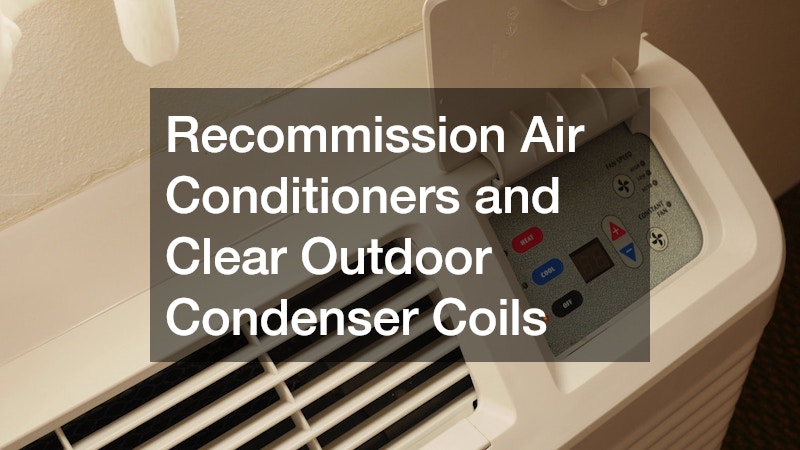
After sitting idle through months of winter frost and falling leaves, your outdoor air conditioning condenser unit requires careful attention before its initial startup.
-
Clear Outdoor Clearances: Remove winter protective covers, clear away accumulated leaves, twigs, and weed growth within a two-foot radius around the outdoor unit. Unrestricted airflow across the aluminum fins is essential for heat transfer.
-
Inspect Fin Conditions: Examine the delicate aluminum coil fins for bent or crushed sections that block airflow. Straighten minor fin damage using a specialized plastic fin comb.
-
Replace Indoor Air Filters: Install fresh, high-efficiency MERV-rated air filters inside the air handler to ensure maximum static airflow and keep dust off the indoor evaporator coil.
-
Flush Condensate Drain Lines: Pour a mixture of warm water and plain white vinegar down the primary condensate drain line to dissolve algae buildup and prevent condensate overflow leaks.
Schedule a comprehensive performance tune-up early in the season through established HVAC companies to test refrigerant charge levels, check electrical capacitor microfarads, and verify compressor operation. Partnering with an experienced AC contractor ensures that indoor evaporator coils are cleaned thoroughly and digital thermostats are calibrated accurately before high outdoor temperatures arrive.
Protect Basements from Heavy Spring Rains and Inspect Exterior Plumbing
Spring rains place high hydrostatic pressure against foundation walls and subterranean drainage networks. Ensuring your home’s hydraulic defense systems work properly is vital to avoiding basement flooding.
-
Test Sump Pump Systems: Pour several gallons of water directly into your basement sump pit to confirm that the float switch activates the pump instantly, empties the basin quickly, and closes the check valve without loud mechanical banging.
-
Verify Battery Backup Pumps: Test secondary battery-powered sump pumps to ensure they activate if heavy storms knock out primary electrical power.
-
Inspect Exterior Spigots: Turn on exterior hose bibbs and frost-free spigots for the first time while holding a thumb tightly over the outlet. If water pressure stops easily or water seeps from around the valve stem, the internal pipe may have split from winter freezing.
Inspect interior foundation walls for fresh water stains, mineral efflorescence, or weeping mortar joints. Scheduling a professional drain line inspection with licensed plumbers allows you to identify root intrusion inside main sewer lines or pipe shifts caused by seasonal ground thawing before heavy spring rains overwhelm your wastewater system.
Prevent Electrical Panel Overloads During Peak Cooling Months
Your main electrical panel operates continuously during summer months, distributing heavy currents to air conditioning compressors, pool pumps, refrigeration units, and kitchen appliances.
-
Monitor Indicator Signs: Watch for warning signs of an overstressed electrical system, such as flickering overhead lights when the air conditioner turns on, buzzing sounds from breaker switches, or wall outlet faceplates that feel warm to the touch.
-
Balance High-Draw Circuits: Avoid running multiple high-wattage appliances—such as clothes dryers, electric ovens, and dishwashers—on the same electrical circuit simultaneously.
-
Inspect Outdoor Receptacles: Ensure all exterior electrical outlets near gardens, patios, or pools feature functional Ground Fault Circuit Interrupter (GFCI) protection and weather-tight protective covers.
Have licensed local electricians conduct a thorough panel inspection, including a thermal scan to spot overheating breakers and a torque check on electrical terminal connections to prevent arcing risks during high summer demand. Installing whole-home surge protection through professional electrical services shields sensitive electronics, smart appliances, and modern HVAC control boards from sudden power grid fluctuations and lightning strikes.
Maintain Peak Cooling Efficiency and Manage Heavy Outdoor Water Demands

Long, continuous cooling cycles during mid-summer mean your air handler operates for hours at a time, generating significant condensate volume while pulling air through return vents.
-
Check Condensate Drain Pans: Inspect the secondary drain pan beneath your indoor air handler for standing water. Standing water indicates a clogged primary drain line or a failing condensate pump.
-
Routinely Clean Air Filters: Inspect air filters monthly during high-use summer periods. Clogged filters restrict airflow, forcing the compressor to work harder and causing the indoor evaporator coil to freeze into a solid block of ice.
-
Flush Tank Water Heaters: Drain several gallons of water from the bottom drain valve of your water heater to flush out accumulated mineral scale, improving heat transfer efficiency during high-use summer months.
Establish a routine mid-season checkup with a reliable local AC company to evaluate system operating pressures, clean fan blades, and verify that system static pressure remains within safe manufacturer parameters throughout the hottest months of the year.
Inspect Heating Assemblies and Clear Combustion Exhaust Vents
Before turning on your furnace or heat pump for the winter season, inspect all heating components thoroughly to ensure safe, efficient, and reliable operation.
-
Test Carbon Monoxide Detectors: Replace batteries in all carbon monoxide and smoke detectors throughout your home, ensuring units are active outside every sleeping area.
-
Inspect Furnace Flame Patterns: Turn on the furnace and view the burner flame through the inspection glass. A steady, blue flame indicates clean combustion; a yellow, flickering flame suggests incomplete combustion or a dirty burner assembly.
-
Unblock Heating Vents: Walk through every room to confirm that supply registers and return grilles remain completely clear of furniture, thick rugs, or drapery.
-
Clear Exterior Exhaust PVC Vent Pipes: Inspect exterior wall vents for high-efficiency furnaces and water heaters, removing bird nests, leaves, or garden debris that restrict combustion exhaust.
Book an annual autumn burner tune-up and heat exchanger safety inspection early with established HVAC contractors before winter cold snaps trigger a rush of emergency calls. Scheduling a specialized heating service to bleed air from hydronic radiator networks, test expansion tanks, and inspect pressure relief valves guarantees safe, quiet, and even heat distribution across your home.
Isolate Outdoor Plumbing and Insulate Vulnerable Interior Pipe Runs
Water expands significantly as it freezes. If water remains trapped inside exterior spigots or uninsulated interior pipes during a deep freeze, the resulting hydraulic pressure will rupture copper, PEX, or PVC pipes easily.
-
Disconnect Garden Hoses: Detach all garden hoses, drain them completely, and store them indoors. Leaving a hose attached to a frost-free spigot prevents internal water from draining out, guaranteeing a freeze-burst inside the wall.
-
Shut Off Interior Valve Feeds: Close the interior shutoff valves supplying exterior spigots, open the outside sillcock valves completely to drain remaining line water, and leave them open through winter.
-
Insulate Exposed Piping: Wrap vulnerable water pipes passing through unheated crawlspaces, uninsulated attics, basements, or exterior walls with thick foam insulation sleeves or self-regulating heat trace cable.
Partner with qualified plumbing companies to winterize underground lawn sprinkler networks using industrial compressed air blowouts, purging all residual water from underground valves, manifold headers, and popup sprinkler heads before the first hard ground freeze.
Safeguard Water Lines During Severe Deep Freezes and Manage Indoor Air
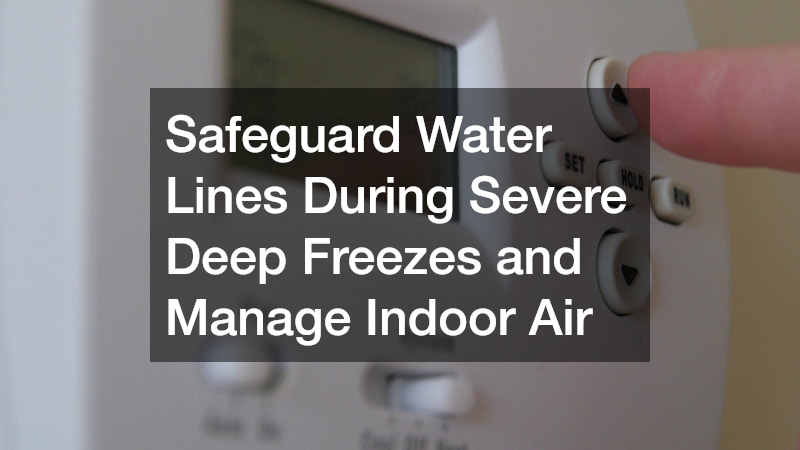
When arctic cold fronts drop outdoor temperatures well below freezing, take active steps to protect interior plumbing from freezing and manage indoor air quality.
-
Drip Remote Faucets: Open indoor faucets located on exterior walls to a faint, steady drip during extreme cold snaps. Moving water resists freezing, and keeping the valve open relieves internal hydraulic pressure if ice forms.
-
Open Cabinet Doors: Leave vanity and kitchen cabinet doors open during extreme cold weather to allow warm ambient room air to circulate around hidden plumbing pipes.
-
Maintain Consistent Temperatures: Keep your indoor thermostat set to a single, constant temperature day and night during severe cold waves, avoiding drastic night-time setbacks that allow wall cavities to chill.
-
Check Intake/Exhaust Pipes After Snowstorms: Clear heavy snowdrifts and ice accumulation away from low-clearance exterior furnace exhaust pipes to prevent automated safety shutdowns or carbon monoxide backups.
Keep your heating system running reliably through freezing weather by building a relationship with a dependable HVAC company that offers priority emergency response service during extreme winter events.
Monitor Heavy Winter Power Demands and Avoid Electrical Hazards
Shorter winter days and seasonal holiday decorations increase daily electrical power consumption across residential circuits.
-
Eliminate Space Heater Dangers: Plug high-draw portable space heaters directly into grounded wall outlets. Never run a space heater through an extension cord or power strip, as high electrical resistance can melt the plastic housing and start an electrical fire.
-
Avoid Multi-Outlet Overloading: Distribute holiday lights, decorative displays, and entertainment systems across multiple independent electrical circuits rather than overloading a single wall outlet.
-
Verify Panel Disconnect Operation: Confirm that your main electrical panel’s primary disconnect switch is clearly labeled and accessible in case an emergency electrical shutdown becomes necessary.
Seasonal Action Steps Checklist
-
Spring Focus: Clear A/C condenser coils, test basement sump pumps, and check exterior hose spigots for freeze damage.
-
Summer Focus: Conduct electrical panel thermal scans, flush tank water heaters, and routinely clean A/C air filters and drain lines.
-
Autumn Focus: Perform furnace and heat exchanger safety checks, winterize lawn irrigation systems, and insulate pipes in unheated zones.
-
Winter Focus: Drip exterior wall faucets during sub-zero snaps, clear snow away from furnace exhaust vents, and monitor space heater electrical draw.
Master Emergency Whole-Home Shutoff Procedures
Every adult living in your home should know the exact physical location and operation of main utility shutoffs. In an emergency, fast action minimizes structural property damage.
-
Main Water Shutoff Valve: Locate the main water shutoff valve where the municipal water service line enters your foundation (typically in a basement, utility closet, or outdoor meter box). Test the valve wheel or lever annually to ensure it turns smoothly without binding.
-
Main Electrical Panel Disconnect: Locate your main breaker box and identify the primary 100-amp to 200-amp main circuit breaker at the top of the panel. Ensure the path to the breaker panel remains clear of stored boxes or household clutter.
-
Main Natural Gas Valve: Locate the gas meter outside your home and identify the shutoff valve on the supply pipe. Keep an adjustable pipe wrench stored nearby for fast emergency isolation during major gas leak events.
Leverage Annual Service Agreements and Integrated Home Inspections
Bundling routine annual maintenance for your home’s core systems into formal service plans provides clear financial and operational advantages.
-
Protected Manufacturer Warranties: HVAC manufacturers require documented proof of routine annual professional maintenance to honor multi-year component warranties on compressors, heat exchangers, and fan motors.
-
Priority Emergency Response: Service plan subscribers receive priority scheduling status during peak seasonal weather events when service call volumes spike.
-
Comprehensive Multi-Point Coverage: Annual maintenance agreements cover detailed component cleaning, electrical torque testing, gas pressure adjustments, and safety control checks that go beyond standard DIY capabilities.
-
Centralized Digital Maintenance Logs: Maintain a simple physical folder or digital spreadsheet tracking service dates, filter sizes, component model numbers, and professional inspection reports.
Protecting Your Home Investment
Preventing major household crises does not require advanced mechanical expertise; it simply demands consistency, observation, and proactive seasonal care. By breaking down home maintenance into manageable quarterly tasks—preparing cooling systems and drainage in spring, managing electrical loads in summer, winterizing pipes and heating units in autumn, and monitoring freeze risks in winter—you maintain total control over your home’s infrastructure.
Take time this week to complete a simple baseline assessment of your home’s core systems. Check your indoor air filters, test your basement sump pump float, inspect vulnerable water pipes for insulation coverage, and locate your main utility shutoff valves. Partnering with qualified local service professionals for annual tune-ups gives you peace of mind, knowing your home operates safely, efficiently, and reliably in every season.
About the Author